








Who can support me?

Who Can Support Me?

Staying active is a great way to support your wellbeing and protect kidney health. Regular exercise can boost your energy levels, help you maintain independence, and help you feel better overall. That’s why it’s helpful to build a routine that fits your body, your lifestyle, and your goals.

Whether you’re just starting out or looking for ways to stay motivated, use these pages to explore what might suit you. You’ll find answers to common questions about exercising and staying active.

Take what you’ve learned and make sure to speak with your health care team. This will help keep you safe before starting, changing, or stopping any exercise or physical activity.

Let’s look at: Who can I exercise with?

Who should I see for help with exercise?

There is some overlap between different health professionals, but here’s a general guide

Exercise Physiologists are qualified health professionals who specialise in designing long-term exercise plans to help with manage:

  • Pain
  • Fatigue
  • Complex health conditions (including kidney disease)
  • Return to sport
  • Preventing falls

Their expertise lies in using exercise and lifestyle interventions to improve health and function over time.  

Physiotherapists are qualified health professionals who focus on diagnosing and treating musculoskeletal issues (like muscle or joint problems).

They provide hands-on care, education, and shorter-term exercise programs, especially for specific concerns such as recovering from a recent injury or improving mobility. 

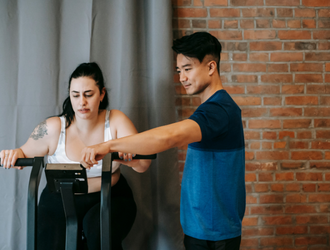
Personal Trainers are qualified fitness professionals who focus on improving strength, endurance, flexibility, fitness, and ensure exercises are performed safely.

While not qualified health professionals, they work within their training and experience to support fitness goals.

This includes people who have common, wellcontrolled health conditions, as long as they are informed and appropriate safety precautions are taken.

Friends and Family

Seeking support and motivation from friends and family can make a real difference when starting or maintaining an exercise routine with chronic kidney disease (CKD).

Here are some practical suggestions

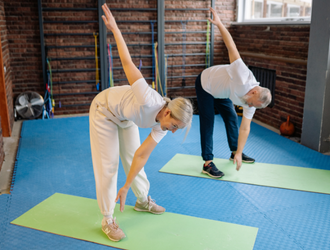
Invite a friend or family member to join you for walks, gentle workouts, or group classes.

Exercising with someone else can make it more enjoyable and help you stay accountable 

Let your loved ones know about your exercise goals and why they matter to you.

Their encouragement can keep you motivated, especially on days when you feel less energetic 

Exercising Alone

Many people find exercising alone rewarding and empowering—it’s a chance to focus, set your own pace, and enjoy some personal time.

If you prefer solo workouts, you have the freedom to choose activities that suit you best. To keep your motivation strong, try linking your exercise to an existing daily habit, like going for a walk right after breakfast or doing a quick routine before your morning shower. 

Remember, missing a single day is perfectly fine and won’t set you back—what matters most is getting back into your routine as soon as you can. If you skip a day, don’t be hard on yourself; just do a little something, like 10 squats or some gentle stretching, to keep moving forward.

Every bit counts, and your commitment to yourself is what keeps you strong and health 

Who Can Support Me?

Explore these scenarios and learn about what support is out there!

I have stage 1-3 CKD and want to engage with exercise but have medical concerns and am fearful of injury or making myself unwell.  

Answer:
Speak to your GP about getting a Chronic Disease Management Plan. 

This plan allows you to access up to 5 Medicare-subsidised visits per year to an Exercise Physiologist or Physiotherapist for exercise interventions. You can also use these visits for dietetic support or podiatry, but the total number of visits for all services combined is 5 per year. 

I have Stage 1-3 CKD and used to do a lot of exercise. My CKD doesn’t have many symptoms, and my doctor says I can go to the gym – but I’m not sure where to start.  

Answer:
If you feel confident, you can see a personal trainer. They have some knowledge about starting exercise safely but be sure to let them know about your CKD and start with low to moderate-intensity exercise.
 

You can also access a Chronic Disease Management Plan and exercise physiology services if you’d prefer more specialised advice at the beginning. If you have diabetes, you may also be eligible for up to 8 Medicare-subsidised group exercise sessions. 

I am receiving dialysis and the shoulder of my fistula arm has become extremely restricted in movement. I would also like to improve my general health 

Answer:
Speak to your Nephrologist regarding the fistula arm first. If they are comfortable, it is unrelated to the fistula seek a referral to a physiotherapist for diagnosis and treatment of your shoulder concern. A referral from a specialist can be self funded through private health or you can return to your GP and access the Chronic Disease Management Plan. 
 

Would you also consider?

Create a free account

Join today for personalised learning, helpful resources, and wellbeing support.

Join today
Already have an account? Log in here