







Where Can I Move?

Where Can I Move?

Staying active is a great way to support your wellbeing and protect kidney health. Regular exercise can boost your energy levels, help you maintain independence, and help you feel better overall. That’s why it’s helpful to build a routine that fits your body, your lifestyle, and your goals.

Whether you’re just starting out or looking for ways to stay motivated, use these pages to explore what might suit you. You’ll find answers to common questions about exercising and staying active.

Take what you’ve learned and make sure to speak with your health care team. This will help keep you safe before starting, changing, or stopping any exercise or physical activity.

Let’s look at: Where can I exercise?

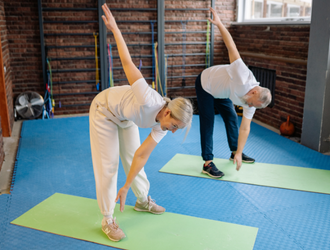
At Home

Exercising at home is convenient and comfortable.

You can move at your own pace, try simple activities like stretching or resistance bands, and build strength and flexibility without leaving your living room. Regular home exercise helps maintain muscle, boosts mood, and supports independence.

It is also the ideal place to get physical activity through housework, gardening and odd jobs. You’ll get a sense of achieving a goal while getting on with those things that need doing at home.  

Pros 

Cons 

  • Convenient and timesaving 
  • Private and comfortable
  • Cost-effective long-term
  • Hygienic
  • Can use equipment or bodyweight 
  • Requires space
  • Limited social interaction
  • Less professional guidance
  • Potential for boredom 

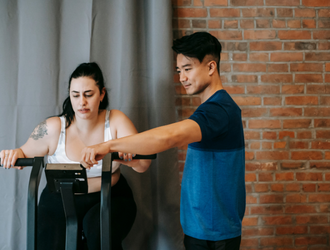
At the Gym

Gyms offer a variety of equipment and classes tailored to different fitness levels.

Working out in a gym can help you stay motivated, safely challenge your strength and endurance, and connect with others who share your goals.

It’s a great way to improve heart health, muscle strength, and overall wellbeing. 

Pros 

Cons 

  • Access to professional guidance
  • Variety of equipment and classes
  • Social environment and motivation
  • Structured workouts
  • Membership costs
  • Travel time
  • Crowded at peak times
  • Less privacy
  • Hygiene concerns

In the Community

Community centres and group activities provide social support and a sense of belonging.

Joining a local walking group, park run, dance class, or water aerobics session can make exercise more enjoyable while improving your physical and mental health.

Community exercise helps you stay active, meet new friends, and feel part of a supportive network. 

Pros 

Cons 

  • Social support and sense of belonging
  • Group motivation
  • Often low-cost or free
  • Variety of activities 
  • May require travel
  • Limited to scheduled times
  • Less privacy
  • May not suit all fitness levels 

Outdoors

Exercising outdoors – like walking, cycling, or gardening – lets you enjoy fresh air and nature. Outdoor activity can boost your mood, reduce stress, and help you feel more energised.

An easy way to start is by fitting movement into your daily routine while exploring your local area. 

Pros 

Cons 

  • Fresh air and connection to nature
  • Free or low-cost
  • Improves mood and reduces stress
  • Flexible timing
  • Weather-dependent
  • Safety concerns in some areas
  • Limited equipment options
  • Less structured 

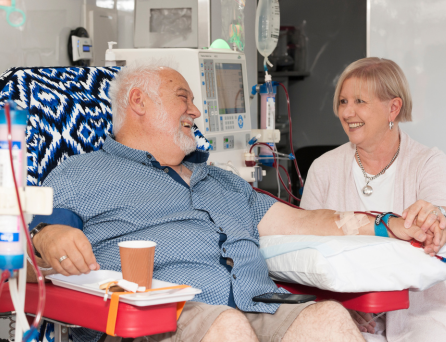
During Dialysis

Exercising during dialysis is safe and beneficial for many people.

Activities like cycling on a stationary bike or using resistance bands can be done while seated.

Exercising during treatment helps increase energy, improve heart health, and maintain muscle strength. Plus, it can make the session feel shorter and more positive. 

Pros 

Cons 

  • Safe and effective for many
  • Can improve energy and strength
  • Makes treatment feel shorter
  • Tailored to medical needs 
  • May require medical clearance
  • May need nurse oversight
  • Limited to certain activities
  • Not suitable for everyone 

Would you also consider?

Create a free account

Join today for personalised learning, helpful resources, and wellbeing support.

Join today
Already have an account? Log in here