





How Should I Start?
- Home
- Wellbeing Centre
- Physical Activity
- How Should I Start?
How Should I Start?
Staying active is a great way to support your wellbeing and protect kidney health. Regular exercise can boost your energy levels, help you maintain independence, and help you feel better overall. That’s why it’s helpful to build a routine that fits your body, your lifestyle, and your goals.
Whether you’re just starting out or looking for ways to stay motivated, use these pages to explore what might suit you. You’ll find answers to common questions about exercising and staying active.
Take what you’ve learned and make sure to speak with your health care team. This will help keep you safe before starting, changing, or stopping any exercise or physical activity.
Let’s look at: How do I start?
Safety
It’s natural to be cautious about exercise when your health changes and many people worry that physical activity might make symptoms worse or cause harm.
However, research shows that for most people with chronic conditions – including kidney disease – the risks of not staying active are much greater than the risks of gentle, regular exercise.
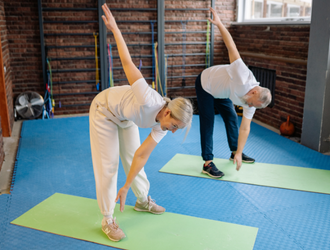
As we know, being inactive can make symptoms like fatigue, muscle weakness, and low mood more difficult to manage. Exercise, when done safely and at the right level, can help you feel stronger, more energetic, and more in control of your health.
The best way to reap the benefits of exercise and stay safe is to honestly assess your current activity level, that’s your true starting point.
From there, gradually increasing your activity in a measured way will ensure you don’t cause injury or get to high intensities unprepared.
Jumping back into old routines or sports you haven’t done in years is risky and can easily lead to injury.
If you’re unsure or starting something challenging, talk to your doctor.
CKD is often accompanied by other health concerns like heart disease, diabetes, dialysis access points, transplant to name a few.
Gentle exercise is almost always safe even with these conditions. However, starting a new exercise program or high intensity training should be discussed with your kidney doctor.
They can also be helpful to reassure or refer you onto an exercise professional if you need specialised advice.
If you feel pain, tightness or pressure in your chest, excessive shortness of breath that does not improve when you stop are all signs you should stop exercise.
Other signs to stop exercise and talk to your doctor are dizziness or feeling faint, blurred vision or excessive swelling.
Symptoms and Exercise
Exercise can help manage many common CKD symptoms, such as fatigue, muscle weakness, and trouble sleeping.
Sometimes, you might notice that activity makes you feel better, but it’s important to watch for any new or worsening symptoms.
Regular, gentle activity can boost your energy, improve your mood, and help you sleep better.
If you notice swelling, extreme tiredness, or breathlessness after exercise, take a break and talk to your healthcare team.
Exercise should make you feel good, not worse – so listen to your body. Try and use tracking methods below to identify patterns of symptoms, stress, sitting and exercise.
Tracking and Exercise
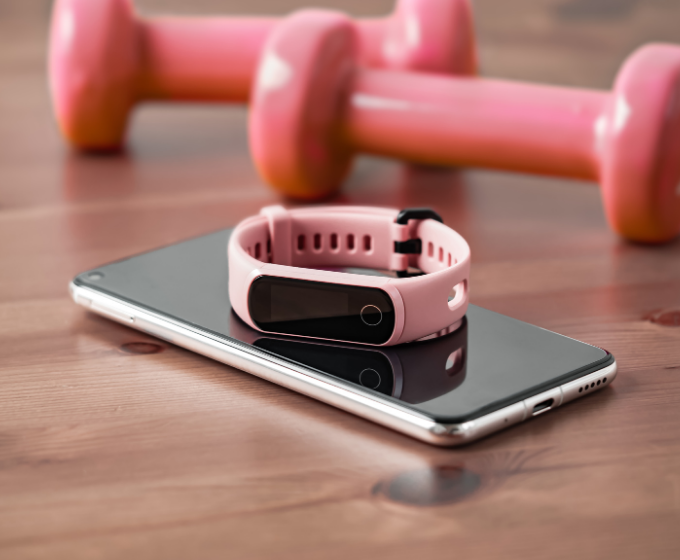
Tracking your exercise helps you see progress and stay motivated.
With CKD, keeping a simple record of your activities (including work or sitting), how you feel (happy, neutral, down), and any symptoms (fatigue, pain etc) can help you and your healthcare team make better decisions about your health.
Write down what you do each day – even a short walk or gentle stretch counts.
Note how you felt before, during, and after exercise. This helps you spot patterns, celebrate your achievements, and make changes to your routine if needed.
Tracking your progress is a great way to stay motivated and in control.
Goals and Exercise
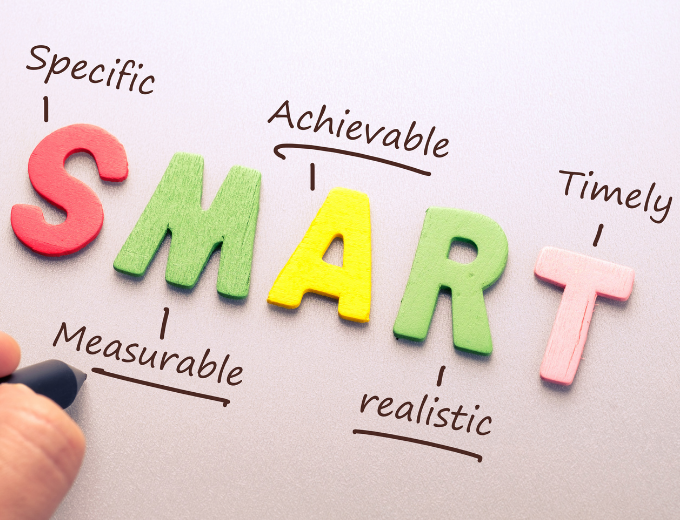
Setting exercise goals can help you stay focused and motivated on your health journey.
Your goals might be as simple as walking for 10 minutes a day or trying a new activity like tai chi or resistance training.
Start with small, realistic goals and build up as you feel stronger. Celebrate every bit of progress, no matter how small.
Share your goals with your healthcare team – they can help you stay on track and adjust your plan as needed. Remember, every step counts toward a healthier you!