






What can I do?

What Can I Do?

Staying active is a great way to support your wellbeing and protect kidney health. Regular exercise can boost your energy levels, help you maintain independence, and help you feel better overall. That’s why it’s helpful to build a routine that fits your body, your lifestyle, and your goals.

Whether you’re just starting out or looking for ways to stay motivated, use these pages to explore what might suit you. You’ll find answers to common questions about exercising and staying active.

Take what you’ve learned and make sure to speak with your health care team. This will help keep you safe before starting, changing, or stopping any exercise or physical activity.

Let’s look at: What type of exercise?

Aerobic

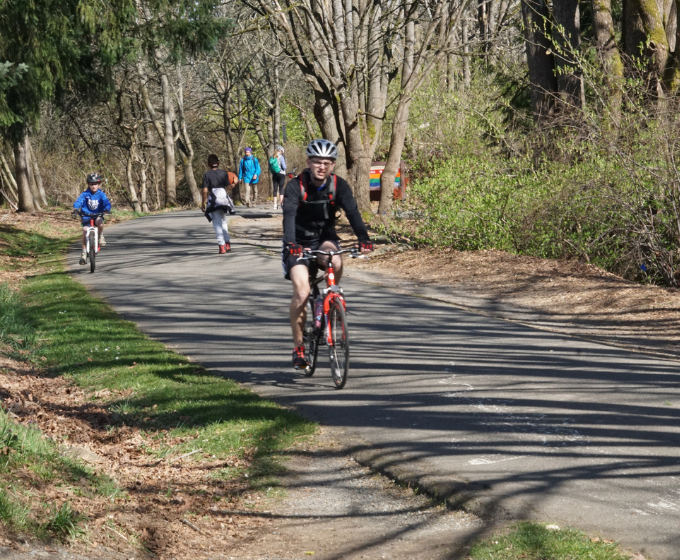
Aerobic exercise is any activity that gets your heart beating faster and makes you breathe harder, like walking, swimming, cycling, or sports. It’s often called “cardio”  

What symptoms is aerobic exercise best for?  

  • Shortness of breath/ improving fitness 
  • Maintaining kidney function in early stages of CKD 
  • Improved mood and lower pain  
  • Improved fatigue *when time and dose are measured 

How much are you doing now?

If its below 150mins per week (World Health Organization recommendations), talk to your health care team about working toward this.

Maybe you’d like to try increasing your exercise by 10% and work toward it 150 minutes a week e.g. 

  • “I’m not doing any aerobic exercise”
    Not to worry, your team might suggest a 10 min walk per day that you can increase weekly as tolerated 
  • “I’m walking slowly 20 mins per day”
    Great start, increase your pace so you are working a little harder. See how much further you go and progress from there 
  • “I’m running 30 mins 3 times per week”
    Well
     done you are meeting guidelines keep it up or progress as you prefer with your healthcare team!

Strength 

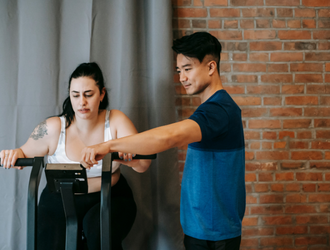
Strength training is exercises that make your muscles work against a weight to make them stronger. This includes lifting dumbbells, doing squats, push-ups, or using resistance bands. It’s often called resistance or weight training 

What symptoms is resistance exercise best for?  

  • Making everyday tasks (like carrying groceries) easier  
  • Greater independence for daily tasks   
  • Preventing muscle wasting and weakness caused by CKD  
  • Reducing inflammation (swelling)
  • Reduced joint pain, muscle spasms/restless legs and stiffness 

What are you doing now?

The World Health Organization suggests aiming for at strength training twice a week (Check with your healthcare team if this is right for you): 

  • “I’m not doing any strength exercise.”
    Not to worry, you team might suggest a small ‘circuit’ of squats, wall push-ups, calf raises and bicep curls 1-2 times per week.  
  • “I’m doing strength exercise with body weight once per week.”
     Great start, talk to your team about increasing to 2 times per week or exploring different ‘push’ ‘pull’ ‘squat’ and ‘hinge’ movements  
  • “I’m training at the gym 3 times per week.”
    Well done you are meeting guidelines keep it up or progress as you prefer with your healthcare team!
     

Mobility

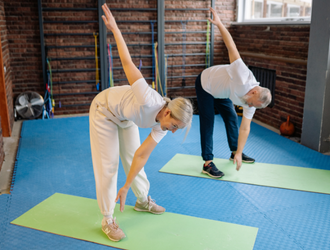
Mobility exercises are movements that challenge your flexibility and balance making you more agile, like tai chi, stretching and dancing. It is a combination of flexibility, strength and balance training  

What symptoms is resistance exercise best for?  

  • Improving unsteadiness or poor balance 
  • Preventing falls 
  • Improving stiffness, joint pain and posture 


What are you doing now?

  • “I’m not doing any mobility exercise.”
    Not to worry, talk to your healthcare team about adding a balance exercise like standing on one leg, forward, backward and sideward lunges to your program.
  • “I’m doing dancing once per week.”
    Great start, add some practice at home once per week or some balance exercises to improve your moves!
     
  • “I’m doing Pilates 2x per week and park yoga once per week.”
    Well done you are meeting guidelines keep it up or progress as you prefer with your healthcare team! 

Sport and Movement

Sport is a wonderful ‘multimodal’ type of exercise, meaning it often combines aerobic, mobility and strength training in one. It’s a great way to stay active for everyone, including people with CKD. 

If you’re just starting out, begin with short sessions and gradually build up. Listen to your body and take breaks when you need them. If a certain sport feels too intense, adapt it—start with a slower version of the game or use lighter equipment.

  • Boosting mood and energy: 
    Sport helps lift your spirits and fight fatigue.
     
  • Improving heart and lung health: 
    Regular activity makes everyday tasks easier and supports your overall fitness.
     
  • Maintaining mobility and balance: 
    Moving regularly helps keep your body flexible and steady.
     
  • Reducing stress and anxiety: 
    Play and movement are great for mental wellbeing.
     
  • Building social connections: 
    Sports and group activities help you stay connected with others.
     

What are you doing now? 

You can aim for at least 150 minutes of moderate activity each week, spread out over several days (talk to your healthcare team if you have any concerns). 

  • “I’m not doing any sport or regular activity but want to get back to tennis”
    Not to worry. Try totem tennis or table tennis at home with a family member or even a video game of tennis – just 10–15 minutes, 2–3 times a week.
     
  • “I play tennis once a week (most weeks) with friends for about 1hour”
    Great start! Try adding a training session on another day of the week, it could be foot work or hitting drills. This will sharpen your skills and improve your fitness
     
  • I play in a social tennis on the weekend and train with my friends every Tuesday for 1hr”
    Well done – keep it up! You’re meeting the guidelines and supporting your health.
     

Would you also consider?

Create a free account

Join today for personalised learning, helpful resources, and wellbeing support.

Join today
Already have an account? Log in here