Why be active?
- Home
- Wellbeing Centre
- Physical Activity
- Why Be Active?
Why be active?
Staying active is a great way to support your wellbeing and protect kidney health. Regular exercise can boost your energy levels, help you maintain independence, and help you feel better overall. That’s why it’s helpful to build a routine that fits your body, your lifestyle, and your goals.
Whether you’re just starting out or looking for ways to stay motivated, use these pages to explore what might suit you. You’ll find answers to common questions about exercising and staying active.
Take what you’ve learned and make sure to speak with your health care team. This will help keep you safe before starting, changing, or stopping any exercise or physical activity.
Let’s look at: Why should I exercise?
Why be active?
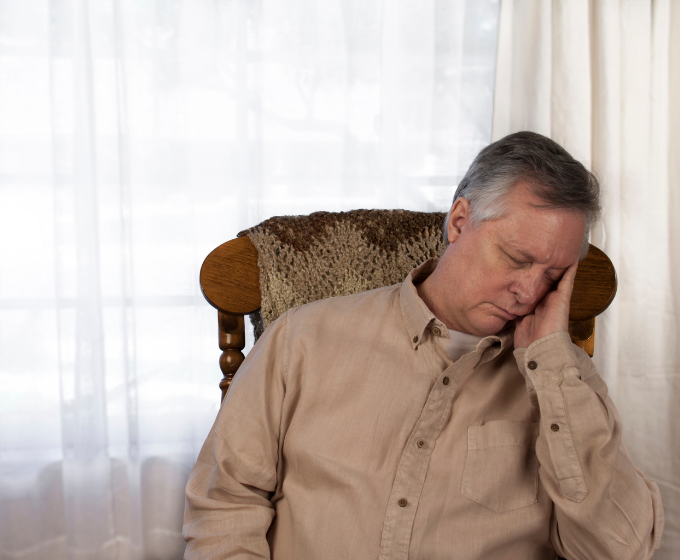
Fatigue
Fatigue is a common and challenging symptom for people living with CKD. It can make daily tasks feel exhausting and can affect your mood and quality of life.
Fatigue in CKD has many causes, including:
- Anaemia – low red blood cells make it hard for your body to get the oxygen it needs
- Muscle weakness
- Chronic inflammation – over time, swelling damages your organs
- Medication side effects
- And sometimes poor mental health i.e. depression
Even with enough sleep and rest, you might still feel tired – because more rest doesn’t always mean more energy.
- Prioritise important tasks for when you have the most energy.
- Take regular breaks and don’t be afraid to ask for help with demanding chores.
- Manage stress with relaxation techniques, social support, or creative activities.
- Check in with your healthcare team about any new or worsening fatigue.
Staying active is one of the best ways to help manage fatigue.
Regular, gentle exercise can boost your energy, improve your mood, and help you sleep better. Sometimes people find exercise makes their fatigue worse – this is often because we have done too much too soon. The key is to start small, choose activities you enjoy (like walking, swimming, or gentle yoga), and build up over time. You can also work with an exercise professional as supervised exercise gives you the best chance of success.
Aerobic activities have the most evidence for improving fatigue. Begin at a level that doesn’t make your symptoms worse and try to be consistent. Increase your activity slowly over time as you feel able. A good rule of thumb is to choose an initial exercise level that doesn’t make fatigue or other symptoms worse. Maintain that level of activity for two weeks.. After this time increase activity by 10-20% and then maintain again. This prevents you from overdoing it.
For those with severe fatigue, try ‘pacing’. This strategy manages energy levels and prevents exhaustion. It involves spreading your exercise time throughout the week, doing a little bit of activity more often.
Pacing helps prevent you from over doing it – Learn More
Why be active?
Balance
Balance problems can make you feel unsteady or increase your risk of falls, especially as CKD progresses. These difficulties may comefrom muscle weakness, anaemia, nerve changes, or certain medications.
Sometimes, we become feel less confident moving around, which can lead to less activity and even more balance trouble. This aspect of activity is often overlooked but is key to remaining mobile and avoiding falls.
Staying active is one of the best ways to improve your balance and confidence.
Gentle, regular exercise helps strengthen your muscles, supports your joints, and keeps your body steady. Sometimes, balance exercises might feel challenging at first, but starting small and building up is the best approach. You will be shocked how fast balance improves!
Choose activities you enjoy that focus on balance and strength, such as gentle yoga, tai chi, or chair-based exercises. Even standing up and sitting down slowly, or walking heel-to-toe, can help. Surprisingly, simply walking will not improve balance! The activity needs to have some challenge like changing step length, standing on one leg or with feet close together.
Resistance exercises, like using light weights or resistance bands, can also be helpful as they strengthen your legs and core, making you feel more stable.
Always have something sturdy nearby to hold onto if you need support if you feel unstable.
Gradually increase your activity as you feel more comfortable.
Always check with your healthcare team before starting new exercises – especially if you’ve had recent falls or balance concerns.

Why be active?
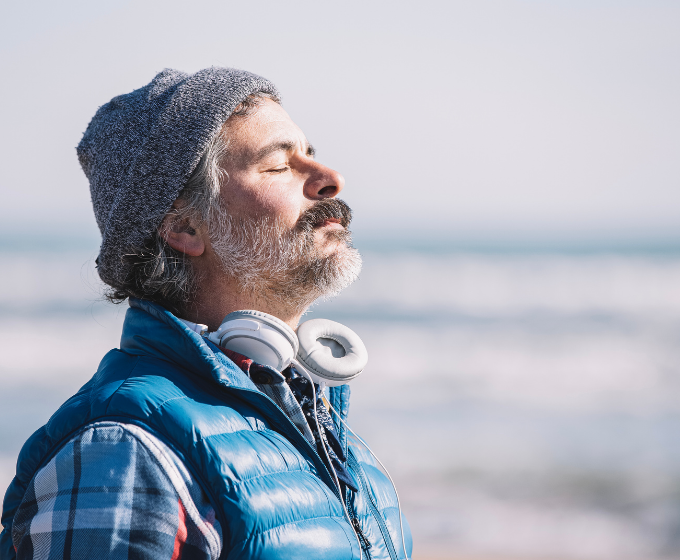
Breathlessness
Breathlessness can make everyday activities feel exhausting and overwhelming. In CKD, this symptom may be caused by fluid build-up (oedema), anaemia, heart problems, or even anxiety.
While it’s tempting to avoid activity when you feel short of breath, too much rest can actually make your body weaker and your symptoms feel worse.
Staying gently active is an important way to help manage breathlessness. Movement helps your body use oxygen more efficiently and can strengthen your lungs and heart over time. Sometimes, breathlessness might make you feel like you can’t exercise at all—but starting small and pacing yourself is key.
Choose activities you enjoy, like gentle walking, tai chi, or chair exercises, and begin with just a few minutes at a time. Gradually increase the time as your confidence and stamina build.
Aerobic activities—such as walking or cycling at a comfortable pace—are especially helpful for improving breathing and energy.
Breathing exercises can also make a big difference.
Simple techniques, like slow, deep breathing or pursed-lip breathing (breathing out as if you’re whistling or blowing out a candle), can help you feel more in control when breathlessness strikes. Speak to your healthcare team to learn how to do this safely.
If you feel breathless during activity, stop and rest. Try to slow your breathing before continuing. Over time, your tolerance for activity will improve.
Remember, always check with your healthcare team before starting new activities, especially if breathlessness is new or getting worse. Enjoyment and consistency are the keys to making progress—and every little bit of movement counts!
Why be active?
Swelling
Swelling—especially in the legs, ankles, or feet—is a common symptom for people with advanced CKD.
This happens when extra fluid builds up in your body, often because your kidneys aren’t removing fluid as well as they should. Swelling can make your skin feel tight, make it harder to move around, and sometimes cause discomfort.
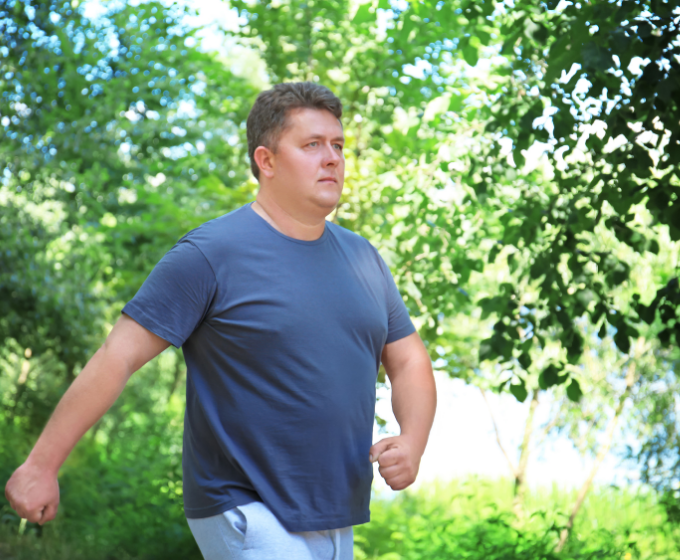
While swelling can be frustrating, there are steps you can take to help manage it. Staying active with gentle activities like walking, stretching or seated peddling can help your body move fluid around and reduce swelling. Try to avoid sitting or standing in one position for too long, and take regular breaks to move your legs.
With small, consistent steps and support from your healthcare team, you can help manage swelling and feel more comfortable every day.
When your kidneys aren’t working as well as usual, you may notice you’re not urinating (weeing) as much as before. This means your body is holding onto more fluid, which can make your heart work a little harder.
At times like this, it’s best to avoid really hard or high-intensity exercises. Gentle activities – like walking, stretching, or breathing exercises – are still fine and can help you feel better. If you notice new swelling or puffiness that comes on quickly, it’s a good idea to check in with your doctor just to be safe.
- Follow your healthcare team’s advice about fluid and salt intake.
- Keep a healthy weight and move regularly.
- Check your feet and legs daily for changes in swelling or skin colour.
- Contact your healthcare team if swelling gets worse, comes on suddenly, or is painful.
Why be active?
Pain
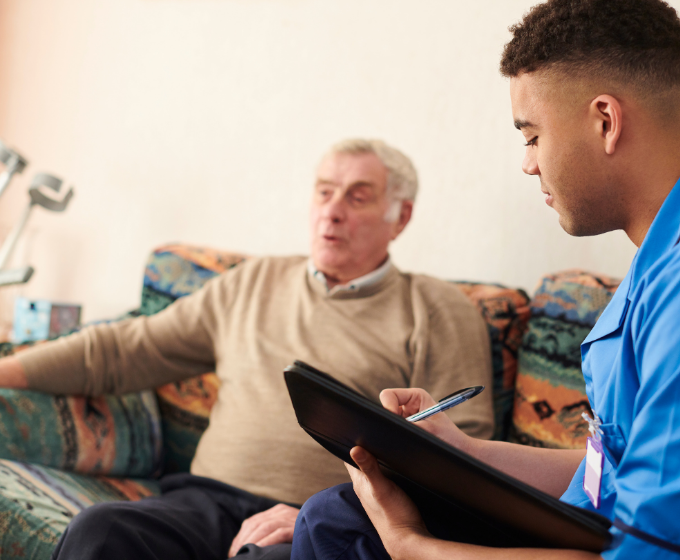
Pain is a common and often challenging symptom for people with chronic kidney disease (CKD). It can affect your daily life, mood, and ability to stay active. Pain can come from many sources, such as joints, muscles, nerves, or even the kidneys and dialysis process itself.
Understanding your pain is an important first step. Is the pain new? Is it due to an injury? If so, talk to your doctor for a diagnosis and treatment – such as physiotherapy or appropriate medications.
It’s important to know that many pain medications are processed or removed by the kidneys. They may not work as well or be unsafe for people with CKD. This is especially important if you have ongoing, long-term pain, like persistent back pain or knee arthritis.
Staying gently active can help ease many types of long-term pain and boost your overall wellbeing. Activities like walking, stretching, or gentle yoga can keep your muscles and joints flexible and reduce discomfort.
Try to break up long periods of sitting, as this can make back pain worse. Simple exercises, such as gentle “thoracic” (upper back) rotations, can help maintain a healthy spine and improve flexibility.
Strengthening your legs can provide extra support for arthritic joints. Gentle resistance exercises, tai chi, or mobility-focused routines can all be helpful for joint health and pain management.
At this stage, managing pain with medications should be done carefully in partnership with your doctor. Non-medication approaches, such as gentle exercise, can be very helpful and are strongly encouraged.
Like with fatigue, pacing your activity is a good place to start. Finding a level of exercise that doesn’t make your pain worse – and sticking to a regular routine – can be an empowering way to manage pain in the long term.
Would you also consider?