




Managing sleep and fatigue

Better Sleep for Better Health

Watch this video​ and get started with your learning!

You can always learn more at:

Sleep Health Foundation | Australia’s Leading Advocate for Healthy Sleep

Simple ways to improve your sleep

Sleep hygiene is about creating good habits for better sleep. Here are some helpful tips: Make a checklist and find out what works best for you!

Try to go to bed and wake up at the same time every day, even on weekends. This helps your body know when to rest.

Make your bedroom cozy and quiet. Use curtains or an eye mask to keep it dark and consider using earplugs or a white noise machine to block out noises.

To help you relax before going to bed, do calming things like reading a book. This can help you feel more relaxed and ready for sleep.

Eat your last meal at least two hours before bedtime. This can help you avoid feeling uncomfortable, making it easier to get better sleep.

Stay active during the day, getting outside and taking advantage of sunshine and fresh air. However, avoid intense exercise close to bedtime as this could affect how easy it is to fall asleep.

Stop using phones or tablets within a short time before bed. This helps your brain relax.

It’s best to avoid caffeine and alcohol close to bedtime, as they can affect your ability to fall asleep as well as your sleep quality.

Establish a cut-off time for stimulating activities in the evening.

Following a healthy diet can have a positive impact on our sleep. Refer to module 3 for more information on diet and nutrition.

Bonus Sleep Tips: Nature and Sunlight

Sunlight exposure

Spending time in sunlight, particularly morning sunlight, helps your body know when it's daytime. It also helps your body produce a hormone called melatonin, which is important for good sleep.

Vitamin D

Sunlight helps your body get vitamin D, which is good for your overall health, including better sleep. Make sure to protect your skin from too much sun with sunscreen and a hat.

Nature and Relaxation

Being in nature, like parks or gardens, can make you feel calm and less stressed, which can improve your sleep. Take walks outside or just sit and enjoy the outdoors to help you relax.

Fresh Air and Oxygen

Breathing in fresh air can be good for your body and may improve your sleep. Open your windows during the day to let fresh air in. You can also consider having some indoor plants.

Common sleep issues for people with kidney failure​

Kidney disease can affect many aspects of your health. 

These complications may be caused either by kidney disease itself, or by its treatment (eg. Side effects of medication). 

In the menu below you can learn about some the issues that cause insomnia like restless leg syndrome and itchiness.

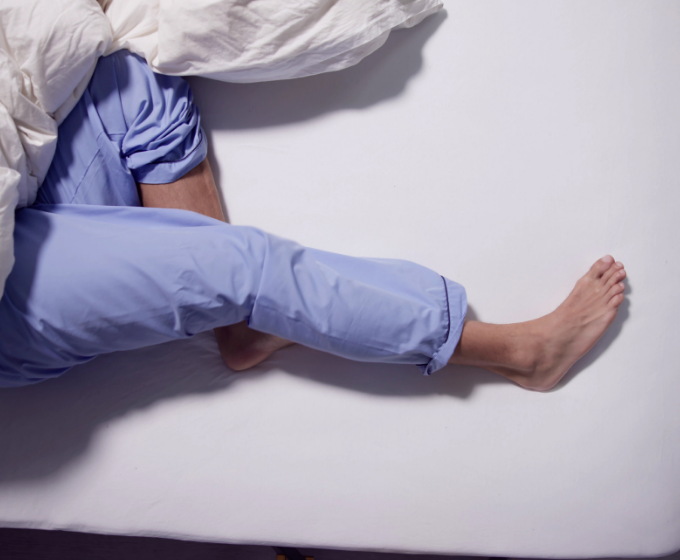
Restless leg syndrome (RLS) is a common movement problem of the nervous system.

Your legs feel as if they want to exercise or move when you are trying to rest. It can make it hard to sleep and relax.

Some people have described RLS as a crawling, creeping, prickly, tingling, itching burning, pulling or shock like sensation. The problem can vary from a minor irritant to a severe condition. You may find your arms are also affected.

The cause of RLS is not clear but there appears to be a problem with the function of a chemical in the central nervous system.

Itchy skin or ‘pruritis’ is a commonly reported side-effect of kidney disease. There are many possible causes, such as:

  • As your kidneys fail, the levels of calcium and phosphate become unbalanced. When phosphate combines with calcium, crystals form and are deposited all over the body. They deposit in your skins, irritating nerve endings and causing itching.
  • When kidney function is reduced, waste products build up in the blood. This can affect your nerve endings, causing itching.

Tips for Restless Legs and Itchiness

Explore these tips for managing these causes of itchiness and restless legs so that you can improve your sleep.

Self-care

  • Avoid caffeine
  • Leg stretching exercises
  • Relieve symptoms by: Walking, bicycling, soaking the affected limbs in the bath and leg massage

Medications

  • Talk with your doctor, they may be able to give you medicines to help with restless leg syndrome

Try the following tips to help calm your itch and help you sleep. If you need further help, talk to your health care team.

  • Avoid scratching. Pat instead.
  • Use cold pack for a quick fix
  • Be generous with a soap free moisturiser
  • Follow a low-phosphate diet
  • Limit soaps and foaming body washes
  • Stay away from hot water
  • Stick to short baths and showers
  • Keep cool night and day


Support for building healthy sleep habits

Smiling Mind – Getting better sleep

Explore this resource from Smiling Mind, a leader in mental wellbeing over 12 years. 

  • Why Sleep Matters
  • When Sleep is Hard
  • Support for Families
  • Building Sleep Routines

Mindfully – ABC Listen

The Mindfully podcast series take a look at mindfulness and sleep quality.

They offer a range of wind down meditations to help prepare for a good night’s sleep. 

  • Mindfulness and sleep quality – explained
  • Sleep meditations

Would you also consider?

Create a free account

Join today for personalised learning, helpful resources, and wellbeing support.

Join today
Already have an account? Log in here