Managing Travel and CKD
- Home
- Wellbeing Centre
- Kidney Lifestyle
- Travel
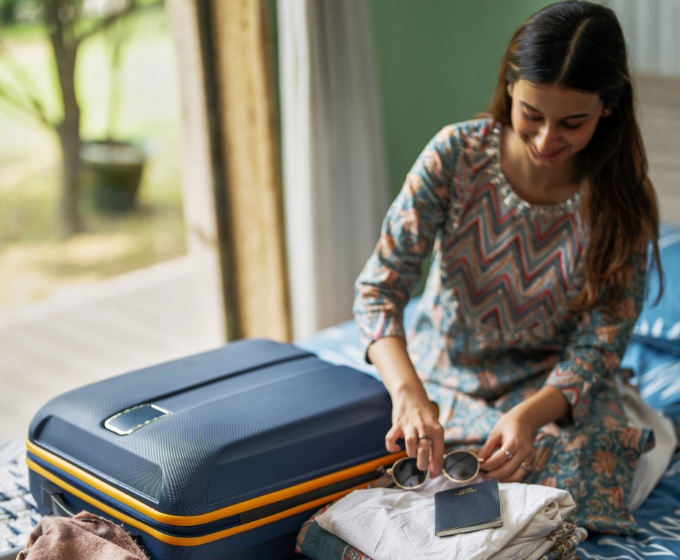
Travelling and taking care
Taking time to travel is important and can provide an excellent ‘pick-me-up’ for you and your family. It is possible to still have a holiday, but it takes some planning.
If a big trip seems out of your reach, even a couple of days away between dialysis sessions help. Travel allows for a change of scenery and a break from normal routines.
You can travel more easily with some types of dialysis. Others need planning, and travel may not always be possible. You need to take charge of your holiday plans, but there is a dialysis community prepared to help.
Travelling on peritoneal dialysis
With a little planning and organisation, it’s possible to travel when on peritoneal dialysis.
As well as getting yourself prepared, you should always make your plans in collaboration with your dialysis healthcare team.
Peritoneal dialysis equipment can be put in the boot of your car, making nearby road trips pretty easy.
If you normally use automated peritoneal dialysis (APD), you may choose to switch to continuous ambulatory peritoneal dialysis (CAPD) bags while you’re on holiday, to make things easier.
For short trips, you should do a session before and after your journey. At your destination, choose a quiet and clean space to do your dialysis. You should have no problems if you treat the bag changes with the same care as you would at home.
For trips longer than seven days, you can arrange for peritoneal dialysis bags to be delivered to your holiday destination. Just make sure you do this well ahead of time.
You’ll usually have to take the other small pieces of equipment with you still. A coat hanger can improvise as a hook for your bags. As long as you have access to hand cleansers and can find a quiet, safe space, the bags can be changed while travelling.
A number of countries can provide you with dialysis supplies, sometimes even free of charge.
Usually this will only be the CAPD bags. Either way, you still must check with your dialysis healthcare team or dialysis company before you plan your trip. They’ll be able to provide you with detailed information.
On your trip, it’s important to bring along a medical summary and extra supplies, in case your return is delayed. Some clinics may also give you antibiotics in case of peritonitis.
This is something you’ll need to discuss and plan with your dialysis healthcare team.
You should also take a one-day supply of peritoneal dialysis fluid on your flight, in case the delivery to your destination is late, or your flight is delayed. You’ll need to notify your airline of this and ask if there is a charge.
- For example, some airlines allow up to 100 kilograms of medical equipment, but you must organise the quantity with them beforehand.
- Each airline will have different restrictions, so check their specific luggage allowance and conditions. Pack extra dialysis equipment in your check-in luggage.
Finally, check the customs regulations in the country you are visiting. If you’re carrying dialysis equipment, ensure you carry a treatment letter from your doctor with your current health condition and medication list.
If you’re still unsure about travelling on peritoneal dialysis, speak with your kidney care team or reach out to our helpline!

Travelling on haemodialysis
This must be preplanned and can be expensive. You will need to book into other dialysis units and must do this early.
With special planning, it can be done.
While there are options and resources available, be sure to plan carefully following these steps:
- Talk to your dialysis healthcare team
- Plan your dialysis treatment needs
- Organise medications and supplies
There’s a lot to explore in our own backyard.
If you’re looking to travel locally around Australia, then the Big Red Kidney Bus program can help you to explore and stay on top of your haemodialysis treatment.
The Bus is available for all dialysis patients, all over Australia. It travels to popular tourist locations throughout regional New South Wales, Queensland, and Victoria. From stunning Torquay to coastal Ballina, the Bus can take you to beautiful coastal and popular tourist destinations throughout these three states.
If you know your travel destination, contact a dialysis unit close to where you’re staying well in advance so they can accommodate you on the days you require.
You can check whether there’s a dialysis unit near your travel destination by using our Australian Dialysis Unit Guide.
The Guide was inspired and pioneered by a dedicated volunteer, Graham Herbert, who passed away in 2012. Thank you, Graham
Travelling on home haemodialysis
Being able to travel is an important part of maintaining your lifestyle and wellbeing.
Fortunately, it is still possible to travel, even if you are receiving home haemodialysis treatment.
Before you start your trip, you will need to take the proper precautions to ensure you have the right treatment plan in place.
You’ll also need to work in collaboration with your dialysis healthcare team to help you stay healthy, even while you are away from home.
Preparing to travel while on home dialysis does require some planning on your own and in collaboration with your dialysis healthcare team. Luckily, there are a number of options available to help you stay on top of your treatment.
Some of these include:
- Taking your machine with you
- Going to a fixed dialysis house or campervan
- Organising a special holiday tour with dialysis included
- Booking a dialysis chair with the Big Red Kidney Bus
- Organising dialysis at another unit near your destination: Find a unit
No matter the travel treatment option you chose, you need to make sure you’ve confirmed your plan with your dialysis healthcare team.
If you have a portable dialysis machine, you can use the machine for your treatment while on the go. With a bit of extra planning and effort, you can enjoy your holiday and stay healthy while travelling.
To use your dialysis machine correctly while travelling you’ll need to follow a few guidelines.
Some of these include:
- Making sure you take your machine and dialysate bags with you.
If you don’t have any bags with you, ensure they can be delivered to your final destination. - Checking if your machine needs to be linked to water treatment.
If your machine requires water to function, you’ll need to factor this into your travel plan. - Talking to your dialysis healthcare team.
They are an essential part of all your travel plans and are available to support you with technical support and advice.
Travel tips
Some suggestions include:
There are costs involved with travel and it pays to find out what they are in advance, so you don’t receive any surprises that could impact your holiday.
You may need extra blood tests to book dialysis at different sites. Always call ahead!
If you are on haemodialysis, consider going to a holiday facility equipped for dialysis treatment. The patient association in your state may offer a holiday house for people who have experienced in home haemodialysis.
Kidney Health Australia organises Es-caper events for kidney kids and their families across most states
Arrange to have dialysis in another dialysis unit.
Kidney units do their best to accommodate short-term haemodialysis users, but the number of places is limited. Private dialysis centres often have more places available than public dialysis centres but can cost more if you don’t have private health insurance. You may be expected to pay up-front for any treatments.
You can check whether there’s a dialysis unit near your travel destination by using our Australian Dialysis Unit Guide.
The Guide was inspired and pioneered by a dedicated volunteer, Graham Herbert, who passed away in 2012. Thank you, Graham
Investigate haemodialysis units around the world on the Internet.
Some overseas dialysis centres charge quite a lot of money, which may not be covered by health or travel insurance.
Haemodialysis is possible in other countries, but the standard of care may not be the same in all countries. You can get travel insurance, although the conditions and terms vary.
It is important to check what cover you are offered and shop around.
People on peritoneal dialysis find it easier to travel. You may be able to plan to do dialysis by taking your equipment with you.
It is important to check all aspects of travel, health insurance and medical care carefully before you go. Your dialysis unit can assist with arrangement for overseas dialysis.
In most instances, supplies can be delivered to your holiday destination. Remember that the electrical voltage is different in many parts of the world so your equipment may not work there.
Frequently Asked Questions
Buying travel insurance when you have a pre-existing condition such as kidney disease may be a problem.
If you had private health insurance cover before you were diagnosed with kidney disease you may be able to obtain travel cover from your health insurance company. If you do not have private health insurance, are experiencing dialysis issues, or multiple health conditions, you may not find a travel insurer.
It is recommended to contact an insurance broker for assistance.
Yes. You can take prescription medicine, non-prescription medicine and prescribed medical devices on board domestic flights.
It is a good idea to carry at least a few days worth of medication in your carry-on luggage in case your checked-in luggage is misplaced by the airline.
Pack your repeat prescriptions too, in case you need to buy more medication while you are away.
Prescription medicine and prescribed medical devices are exempt from liquids, aerosols and gels restrictions for international flights.
This includes storage containers required to control the temperature of medicines on board. Medications in solid form (e.g. tablets) are not affected by these restrictions as they are not liquids, aerosols or gels. You are free to carry these in your carry-on baggage as normal. It is a good idea to carry at least two weeks’ worth of medication in your carry-on luggage in case your checked-in luggage is misplaced by the airline, or you experience flight delays.
Security screening officers may request supporting documentation (ID cards, letters from doctors, etc.) to determine if the medications you are carrying are exempt. Make sure the name on the label of the prescription medication matches the name on your boarding pass. It may also be in your best interests to have a letter from your doctor explaining what the medicine is, how much you are carrying and that it is for your personal use. Pack your repeat prescriptions too, in case you need to buy more medication while you are away.
Always double check the official travel website of your destination for all rules on bringing in medicines and supplies. There may be limits on which medications and how much you can bring in.
For more information, visit Homepage | Smartraveller.