Shopping with Confidence

Choosing kidney-friendly products

Explore how to read food labels, compare products, and spot helpful options for your kidney-friendly kitchen. 

In this guided tour, you’ll learn how to shop with confidence! We’ll walk through food labels, find hidden additives, and budget friendly choices for your pantry and fridge. 

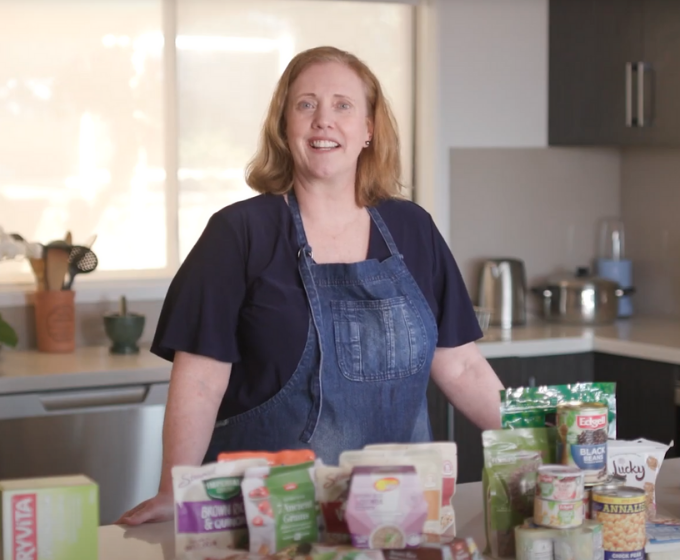
Start shopping smart by watching the video to the right by Associate Professor Kelly Lambert. 

Smart Shopping Tips:

Know where to look on a food label

Learn how to identify highly processed foods

Frozen and canned foods can be great choices

Compare using the ‘per 100g’ column

Always aim for a colourful mix of fruit & vegetables

What to look for

How to spot them:

  • Check the ingredients list for long chemical names you don’t recognise. 
  • Look out for potassium and phosphate-based additives common in packaged foods. 

In Australia, potassium isn’t always listed on the nutrition information panel (NIP), so check the ingredients list carefully if you’ve been told to restrict potassium.

Stock up on low-cost staples that go a long way: 

  • Chickpeas and lentils 
    Use in hummus, curries, salads, or as a meat alternative. 
  • Wholegrain carbs 
    Quinoa, barley and brown rice are perfect with steamed veg and fish/meat, in a stir fry. 

These are also great low potassium alternatives to potatoes! 

Some good options to go for are: 

  • Eggs 
  • Nuts/seeds 
  • Lentils and beans 
  • Tofu, tempeh, and soy-based products 

When comparing options, make sure to check for: 

  • Protein content 
  • Sodium 
  • Chemical additives 
  • Saturated fat 

Keep an eye on fibre, sodium and carbohydrate serves

  • Look for bread with high fibre and low sodium. 
  • For people with diabetes, also check the carbohydrate (CHO) serves. 
  • Compare cereals like Weet-bix and oats by looking at sugar, fibre, sodium, and CHO serves. 

Quick Tip:
Home brands can be just as nutritious and affordable.
 
Remember to check nutrient content for bran cereals if you’re trying to reduce potassium. 
Fruit

  • Fresh fruit!
  • Frozen fruit like berries are easy and affordable! You can add them yoghurt, porridge, and pancakes.
  • If using canned fruits in water or juice, you can drain them before serving, often canned fruits are low in potassium. 

Vegetables

  • Vegetables fresh, frozen or canned (e.g. corn in water, frozen peas, mixed vegetables).
  • Use them in all meals and try to fill half your plate with veggies! 

Nutritious Snacks to Try

If you’re looking for easy and nutritious snacks, look for:

  • Popcorn kernels – Pop them yourself to control salt levels! 
  • Veggie sticks with hummus or tzatziki 
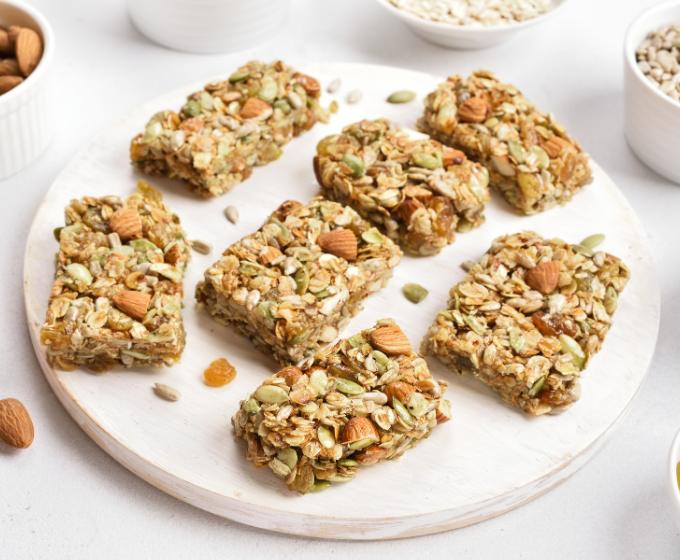
  • Oat bars (make sure to check the food label)
  • Roasted almonds 
  • Low sodium or seeded crackers with cream cheese and fruit like grapes, cherry tomatoes, cucumber 

Portion Tips

  • Pre-measure sharing packs or family size snacks to avoid overeating. Put the rest away before you start eating. 
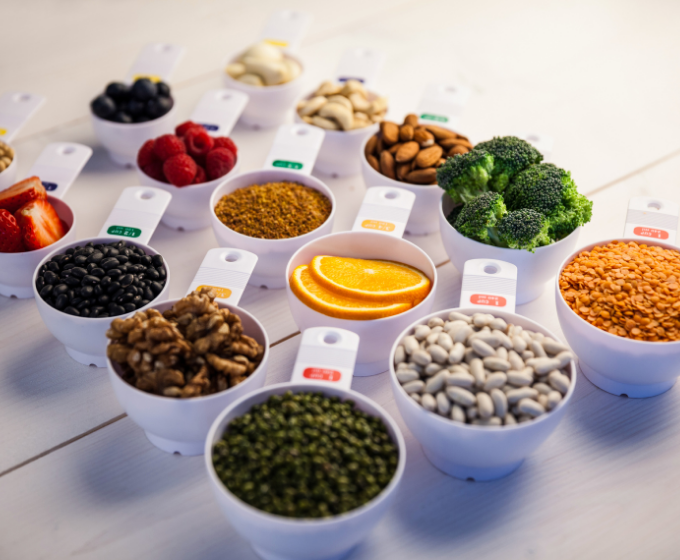
  • Use measuring cups to portion carbohydrates (CHO), especially important if you live with diabetes. 

Would you also consider?