In this section we take a look at what’s in our food, what to look out for and what to avoid both for our health and our kidneys.
You can use this general information until you receive further individualised advice from a dietitian.
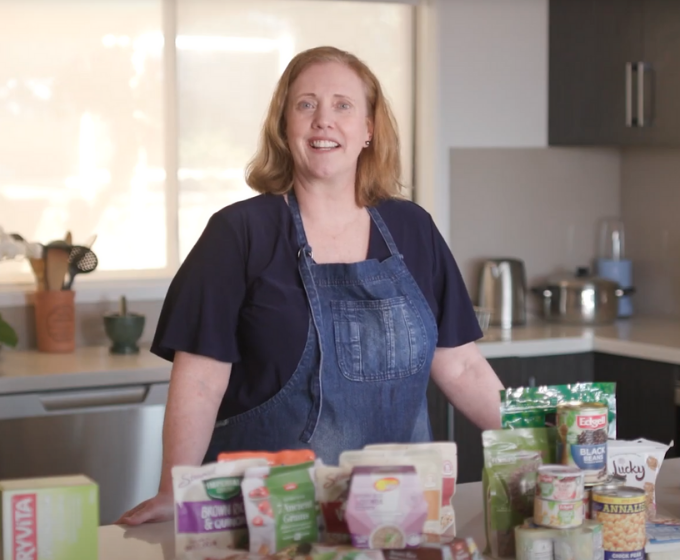
Start shopping smart by watching the video to the right by Associate Professor Kelly Lambert.
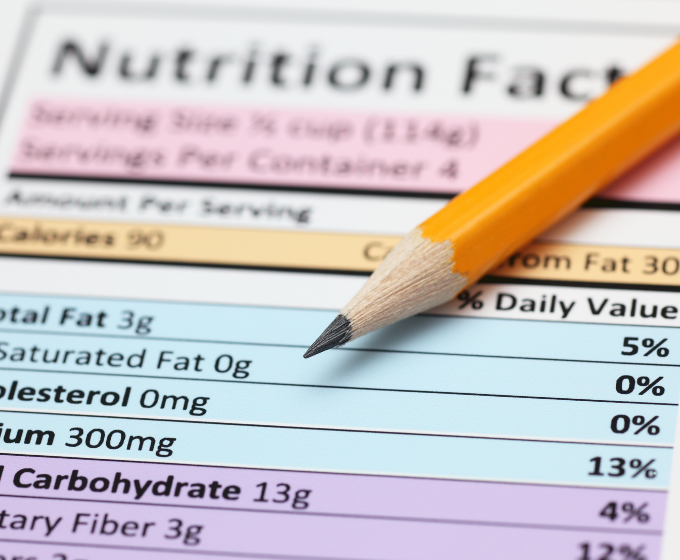
Top tips for using the nutrition information panel
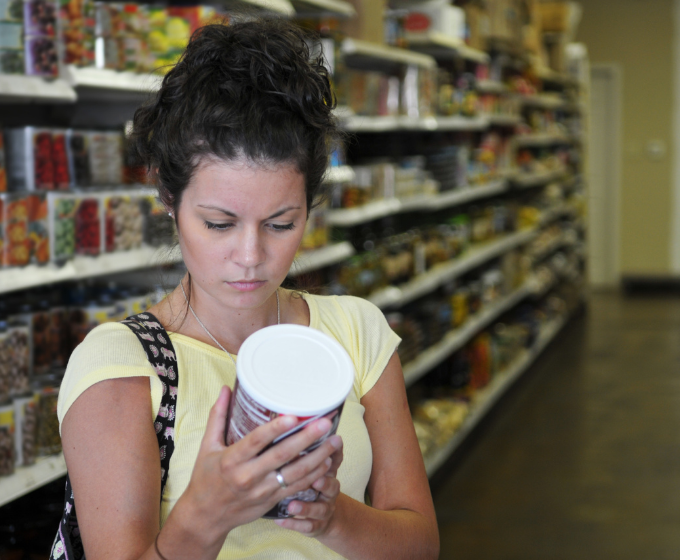
Food labels are a helpful way to make good food choices when you have kidney disease. Here are some top tips to help you use the nutrition information panel to make a healthy food choice.
Remember: The nutrition panel will often be on the side or back of packaging.
Always look at the per 100g column when comparing between products
Salt: Look for products with less than 120mg of sodium per 100g. This a ‘low salt’ product by law. Products with less than 400mg per 100g such as bread are considered a ‘reduced salt’ product.
Sugar: Look for products with as little added sugar as possible. Aim for less than 15g sugar per 100g as a guide
Fibre: High fibre products can be identified by looking at the per serve column. Choose foods that have more than 3g of fibre per serve
Fat: Look for products with a saturated fat amount that is less than 3g per 100g
Potassium: Nutrition information panels in Australia do not have to declare the potassium or phosphate level – even if the product is high in these things.
You can also use the Food Standards Agency ANZ database to search potassium and phosphate in generic packaged items but remember that this does not include additives used by specific brands and manufacturers. Click the button below and select “Searchable Database”
The ingredients on a food label are listed in order from the largest to smallest amount.
If salt, fat or sugar are listed in the first three ingredients, then it is likely to be high in this nutrient and not a healthy choice.
Remember: Try and limit ultra-processed foods in your diet for improved kidney health.
You can identify ultra-processed packaged goods by their long list of ingredients, chemical names and numbers that you wouldn’t expect to find in a kitchen.
Read the ingredients list to find added sugar. Other names for sugar include:
Raw, brown or cane sugar
Dextrose
Disaccharides
Glucose, fructose, lactose and sucrose
Rapidura
Sorbital
Agave nectar
Corn syrup
Malt extract
Molasses
Rice malt syrup
Potassium and phosphate additives
Keep an eye out for potassium and phosphate additives sneaking into everyday foods.
You can identify these from the following chemical additive numbers displayed in the ingredients list, or from any names that have ‘potassium’ or ‘phos’ within them.