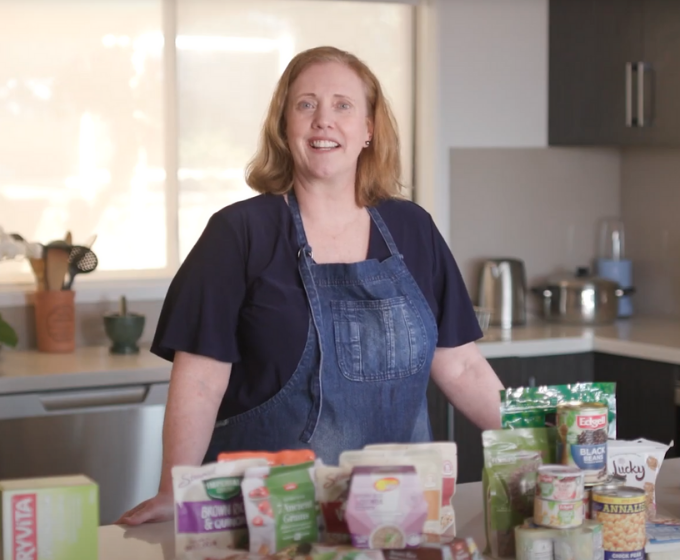
Enjoy this excellent video by Associate Professor Kelly Lambert.
Start Shopping Smart
When looking for products in the supermarket it can be easy to feel overwhelmed by the selection, and hard to know what information to pay attention to.
We have some simple steps to help you become a shopping detective.
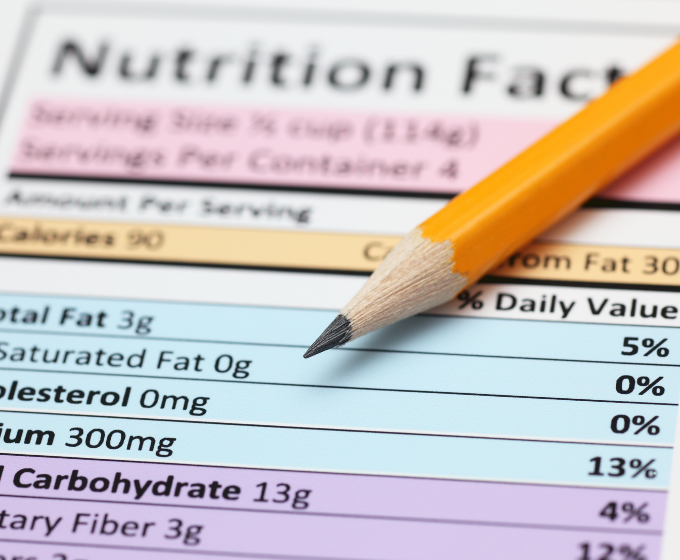
When comparing two food products, as food manufactures can put any serving size they like on the NIP. This amount may not be a true reflection of the serving size you are eating.
For sodium, always choose products with:
Less than 400mg per 100g (reduced salt)
Foods with less than 120mg per 100g are considered low salt (best options)!
Highly processed foods can be identified by a long list of ingredients that contain things you wouldn’t expect to find in a kitchen, such as ‘potassium sorbate’ (202).
As a general rule, the more claims a product makes on its packaging, the more likely it is to have been highly processed.
Your quick reference shopping guide
Use this guide when shopping to help you decide whether a product is a healthier choice.
You may just want to focus on 1-2 categories to begin with, such as sodium (salt) and fibre.
Potassium is not required on food labels so you cannot tell how much potassium is in a food from the food label.
Salt (Sodium)
Less than 120mg per 100g is best
Fibre
More than 3g of fibre per serve is high
Sugar
Less than 15g sugar per 100g is best.
Saturated Fat
Less than 3g per 100g is best
Dietary Fibre
If listed, aim for more than 5g per 100g.
Trans Fats
If listed, aim for less than 1g per 100g.
Tips for your next shopping trip!
Plan Ahead
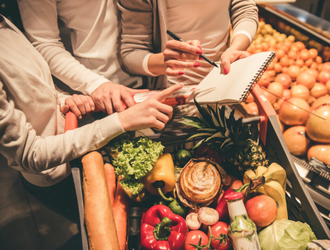
Plan your meals ahead of time. Make a shopping list before you go shopping. You are less likely to buy impulsively when you have a list.
Check the nutrition information
Check for protein content, sodium, chemical additives, saturated fat as well as potassium and phosphate-based additives.
Colourful fruits and veges
Aim for a colourful mix of fruit and vegetables even if you’re following a low potassium diet.
Cheaper options
Remember, home brands can be just as nutritious and frozen and canned foods can also be great.