









Sexuality and relationships

Sexual Health

As you get older, you might start thinking about sex or begin having sex. This is a normal part of growing up, and your sexual health is an key part of your overall wellbeing.
 
The most important thing is to make sure your choices are safe, healthy, and right for you.
 
There’s no need to rush. Wait until you feel ready.

How Kidney Disease Can Affect
Sexual Health

Kidney can affect:
 
  • Sexual activity
  • Fertility (the ability to have children)
  • Pregnancy

Your health care team is there to support you, this talking about sexual health, contraception, and safe sex. It might feel strange at first, but it’s just a part of looking after yourself.

 
Talking about this early can help you learn what to expect in the future. This how kidney might affect pregnancy or starting a family.
 
You can find out more here:

Protecting Yourself

People with kidney , especially those on immunosuppressant 
(like after a transplant), may be more at of sexually (STIs).
 
These can cause health problems like:
 
  • Rashes or sores
  • Pain or discomfort
  • Trouble getting pregnant
  • Some types of cancer
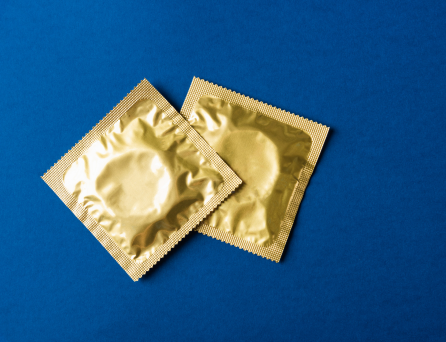
To protect yourself and your partner, always use barrier protection (condoms).

Contraception

Contraception helps protect from both pregnancy and sexually transmitted infections (STIs). It’s a good idea to think about contraception before you start having sex because different types of contraception do different things:

  • The birth control pill or intrauterine device (IUD) can help prevent pregnancy.
  • Condoms help prevent both STIs and pregnancy.

If you have questions, you can talk about contraception with:

  • Your GP
  • A school nurse or sexual health nurse
  • Your kidney (nephrology) team

There are also helpful websites like Headspace or your state’s Family Planning site. Here you can find easy-to-read resources and fact sheets.

Fertility and Pregnancy

Some used to help kidney conditions, especially immunosuppressants or medicines to treat viruses, can be unsafe during pregnancy.
 
That’s why it’s really important to use reliable contraception if you’re on these medications. Even if pregnancy isn’t something you’re thinking about yet.
 
Your health care team and pharmacist can help you understand which are safe. They can also help you learn what you need to do to protect your health.

Healthy Lifestyle and Substances: What You Need to Know

Living a healthy lifestyle is important for everyone, especially if you have a kidney condition.
Making healthy choices now helps you take care of both your body and mind, and can protect your kidneys for the future.
 
Substances and Your Health
Some drugs are legal, like alcohol, cigarettes, prescription , and cannabis (in some states). Others, like ICE, MDMA, and GHB, are illegal in Australia. Using illegal drugs can lead to serious health and criminal charges — and they are especially if you have kidney .
 
Even legal substances can be harmful, so it’s important to understand the before making choices.
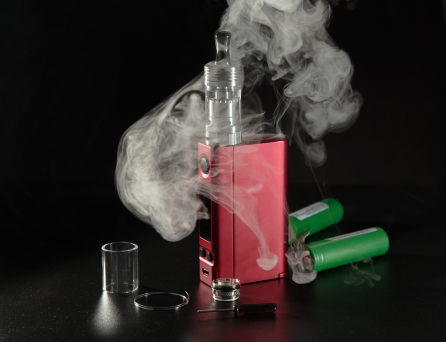
Smoking cigarettes or vaping can cause:
 
  • Lung
  • Heart problems
  • Cancer
  • Damage to blood vessels

It’s best to avoid smoking altogether to protect your kidneys and stay healthy.

Alcohol is illegal under 18 and can affect how your kidneys work. If you already have kidney function, drinking alcohol can make it harder for your kidneys to:
 
  • Filter waste
  • Balance fluids
  • Work with your medications
It can also cause short-term problems like:
 
  • Dehydration (from passing lots of urine)
  • Vomiting or nausea
  • Changes in blood pressure
  • Mood swings and poor concentration
  • Less effective medicines
Ask your doctor if it’s safe for you to drink, and how much
 
  • Check with your pharmacist about your
  • Drink water between alcoholic drinks (unless you have a fluid limit)
  • Avoid getting drunk, it can make you sick or cause you to miss important medications
  • Make a plan to help you take your medications on time (especially if you’re on things like immunosuppressants)
If you’re unsure or feeling pressured about using alcohol or other substances, talk to someone you trust, like your doctor, nurse, social worker, or a support helpline.
 
You’re not alone, and there are people who want to help you stay well.

Would you also consider?

Create a free account

Join today for personalised learning, helpful resources, and wellbeing support.

Join today
Already have an account? Log in here