








Relationships and Kidney Disease

Together for Stronger Kidneys

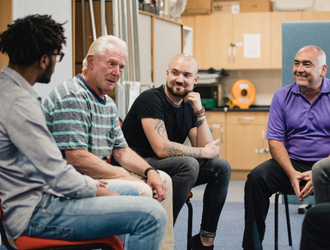
Discover how joining peer support groups like Kidney Es-capers can support you emotionally, socially, and practically. You’ll explore how shared experiences, friendly conversations, and encouragement from others navigating chronic kidney disease can make a real difference in your journey.

Whether you’re newly diagnosed or well into managing CKD, connecting with others who truly understand can help you feel supported, seen, and uplifted.

How Kidney Disease Can Affect
Your Relationships

Living with kidney can affect your body, feelings, and relationships.
It’s normal to feel overwhelmed or alone, especially if it seems like others don’t know what you’re going through.
 
You might feel more distant from family and friends, especially when you’re tired or focused on your health. It can feel like life is moving on for others, while you’re dealing with big changes.
 
But you don’t have to face it alone. Talking to the people around you can help lower stress, build understanding, and keep your relationships strong. Even those closest to you might not know how you’re feeling unless you tell them. Most people want to support you if they can.
 
Change is hard, but it can also help you think about what really matters and who is there for you.

Connecting to Family

Your Family
Kidney can affect your whole family, not just your health.
Daily routines might change, people may take on new roles, and stress levels can rise. Learning how it affects relationships is part of getting used to this new way of life.
 
Your Partner
Your partner is part of your support team.
They may have their own worries or questions. It can help if they come to appointments or learn more about your health.
Looking after each other, both physically and emotionally, can help you stay strong and positive.
 
Your Children
Children often notice when something is wrong.
Even if they don’t understand everything, they can sense change. If they ask questions, try to give honest, simple answers that suit their age. This helps them feel safer and less worried.
 
Older children may already know a bit about kidney . Some of what they’ve heard may not be right or may sound scary. When you understand your condition well, it’s easier to explain it clearly and calmly.
How you cope can help guide how they cope too.

Connecting with Friends

It’s your choice whether or not to tell friends about your kidney condition.
Some people like to keep things private. Others find it helpful to share what they’re going through, especially with close friends who can offer support.
 
Sometimes friends don’t know how to act when someone is unwell. They might pull away or stop calling because they’re unsure what to say. Letting them know what’s going on can help them understand your situation better.
 
If there are things you can’t do anymore, like certain sports or outings, talk to your friends about it. You might be able to find new activities you can enjoy together. Sharing something new can be fun and help keep your friendships strong.

Connecting with Colleagues

Your Work Colleagues
Most people don’t know much about kidney , so it’s up to you whether you want to tell your workmates.
 
If you do share your condition, many people are understanding and supportive. Talking about it can help clear up any confusion or wrong ideas they may have. Your healthcare team can also give you simple resources to share at work.
 
Your Employer
You don’t have to tell your employer about your condition, it’s your choice. But if you need changes to your work hours or duties, it may help to let them know.

Why Talking About Kidney Disease Can Help

Talking to others about your kidney can be helpful, for you and for them.

The more you explain what kidney is and how it affects you, the more others can learn and understand. This can break down confusion or myths about your condition.

When people know what you’re going through, they’re more likely to offer help, whether that’s emotional support, practical help, or just being there to listen.

Trying to take care of everything on your own can feel like a lot. Asking for help is okay. When you feel less stressed, it’s often easier to talk about your health.

Feeling down or anxious can make you want to pull away from others. But talking, even a little, can help you feel more connected and less alone.

The more you talk about your condition, the easier it becomes. It can also help others see kidney as a normal part of life, which can make you feel more confident and in charge, including saying “no” when you need to.

Would you also consider?

Create a free account

Join today for personalised learning, helpful resources, and wellbeing support.

Join today
Already have an account? Log in here